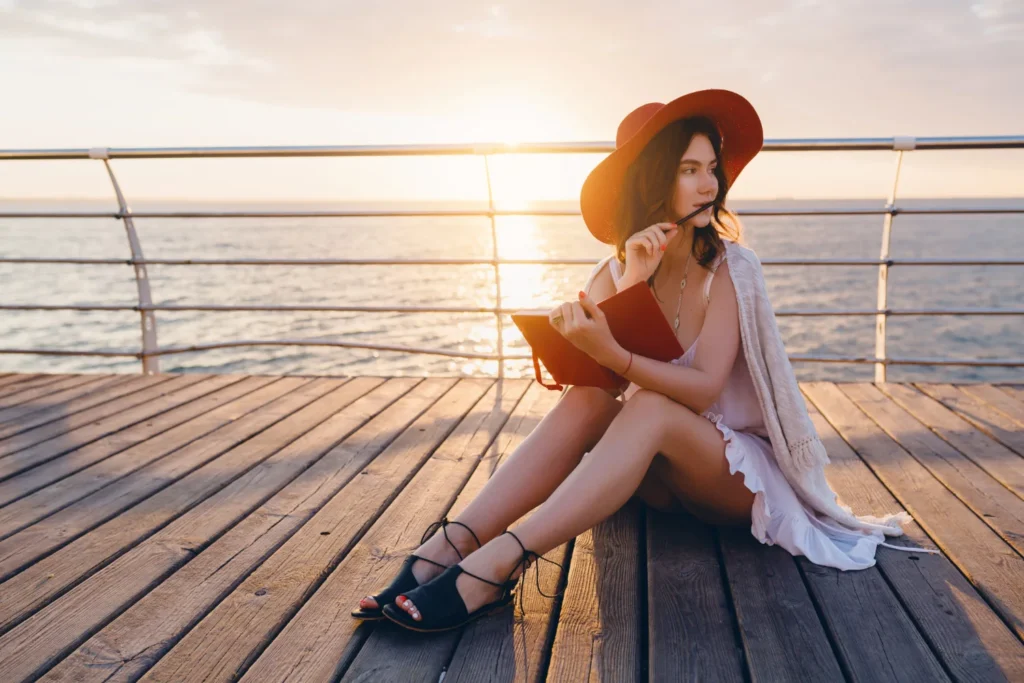
A cruise puts some of the most dramatic light and scenery on the planet directly in front of you.
These cruise photography tips help you capture it the way your eyes actually see it, not how a rushed snapshot turns out.
Understanding Light on a Cruise
Light on the water behaves differently from light on land.
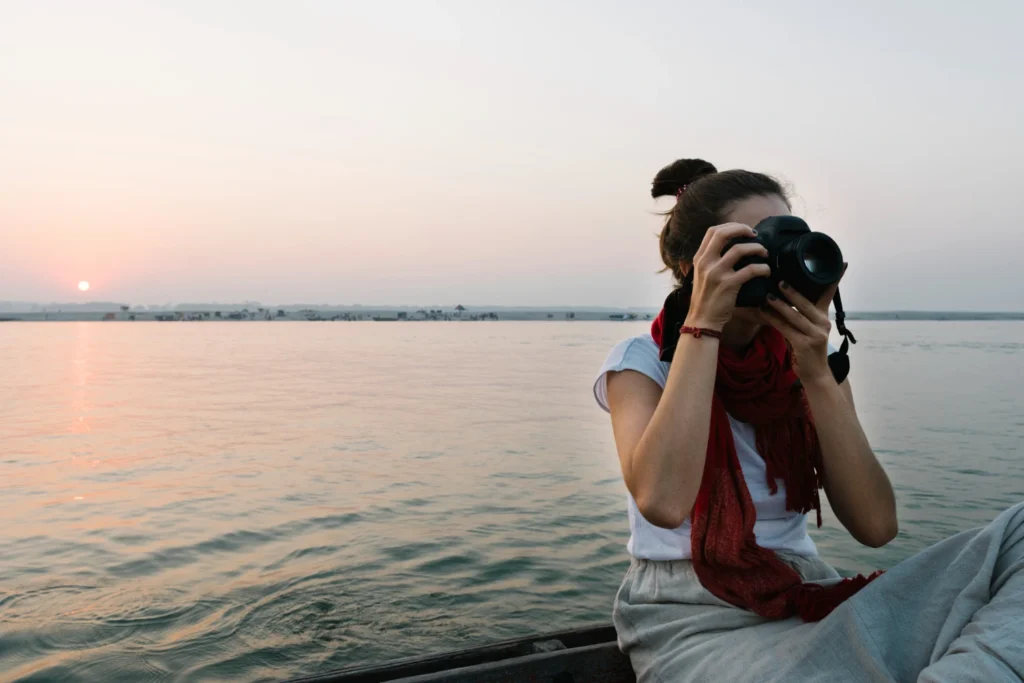
The ocean reflects and amplifies sunlight in ways that can overexpose your shots if you are not paying attention. Early morning and late afternoon produce the warmest, most forgiving light. Midday sun creates harsh shadows and washed-out skies.
Plan your best shooting sessions around port arrival and departure times. Ships often dock or sail during golden hour, which gives you dramatic light with an ever-changing backdrop.
Overcast days are underrated for cruise photography. Clouds act as a natural diffuser, flattening harsh shadows and pulling out detail in landscapes, people, and architecture that direct sun would blow out.
Gear That Actually Works at Sea
You do not need the most expensive kit to take extraordinary cruise photos.
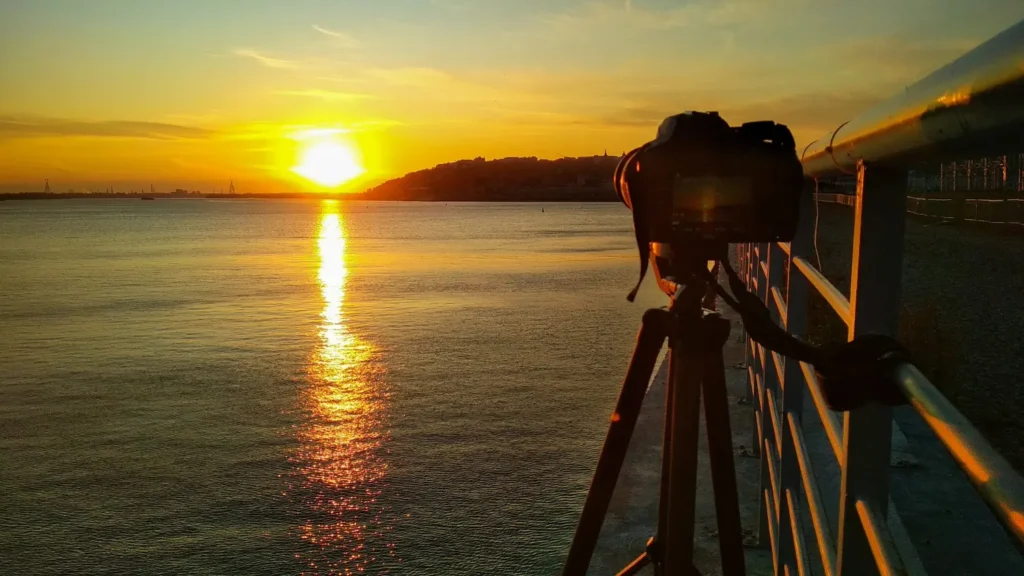
A mirrorless camera with a versatile zoom lens covers 90 percent of situations you will encounter. Pair it with a wide angle for landscapes and interiors, and a short telephoto for wildlife and candid port shots.
Protect every piece of gear from salt air. Salt is corrosive and invisible. A simple camera bag with weather sealing, plus a lens cloth in your pocket, handles most of the risk.
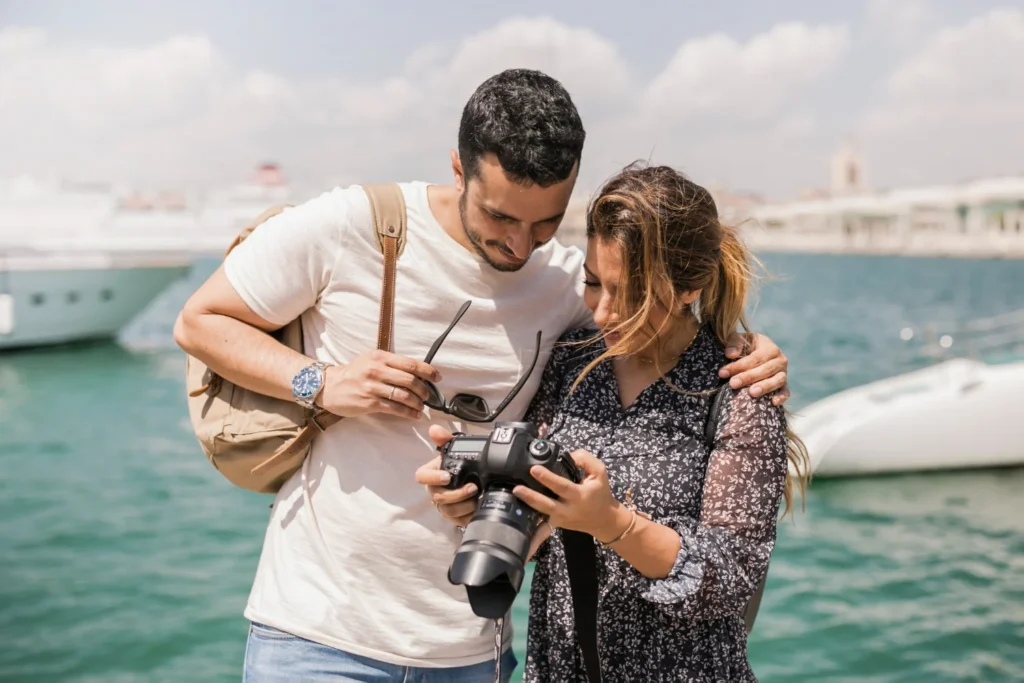
Shooting in Port: How to Get the Most Out of Every Stop
Port days are your best opportunity for variety and context.
Arrive early and move fast through the most crowded tourist zones. Landmarks like historic squares and famous viewpoints fill up within an hour of ship arrival. Get there first, get your shots, and then explore at your own pace.
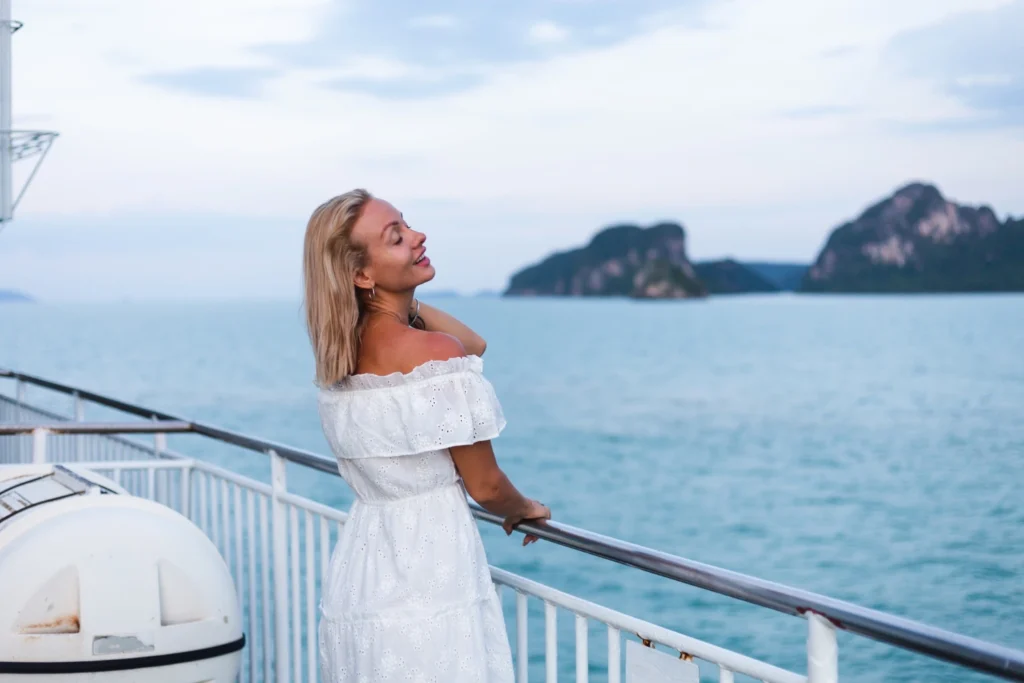
Shoot Toward the Ship From Shore
Most people photograph from the ship looking out. Reverse that.
The ship against a port skyline or harbor is a composition most other passengers will not think to capture.
Find the Locals First
Markets, fishing docks, and side streets removed from the main tourist zone tell more honest stories.
A fruit vendor, a fisherman mending nets, or children playing near the water create the kind of photographs you actually want to print and frame.
Use Architecture as Your Frame
Doorways, arches, and narrow alleys create natural frames that draw the eye toward your subject.
European and Caribbean ports especially offer centuries of weathered architecture that works as a compositional tool without any effort.
Capture Motion Intentionally
Slow your shutter speed near water features, markets, or street scenes to add movement.
A blurred wave against a sharp rocky shore, or pedestrians streaking through an ancient plaza, adds energy that static shots cannot deliver.
Time Your Best Shots Around Ship Departures
Departure from port is one of the most photogenic moments of any cruise.
Crowds thin, the city recedes in the background, and the light at late afternoon turns the whole scene golden. Position yourself on a forward-facing deck and stay there for the first 20 minutes of sailing.
Look Up as Much as You Look Out
Ship interiors have dramatic ceilings, staircases, and atrium designs built for visual impact.
Wide angle shots looking up from the base of a spiral staircase or atrium capture scale and architecture in a way that most guests never try.
Editing Your Cruise Photos to Match What You Saw
Even the best cruise photography benefits from a simple editing pass.
Dial back the highlights on ocean shots first. Water in direct sun almost always blows out in camera and needs recovery. Lift the shadows slightly on port-day shots taken in midday light to bring back detail in the darker areas without making the image look flat.
Resist the urge to over-saturate. Travel photos processed with heavy saturation look vivid on a phone screen and artificial everywhere else. A subtle boost to vibrance instead of saturation keeps colors believable while still making the image pop.